
New Zealand importers and exporters often confuse the roles of freight forwarders and shipping lines, leading to poor partnerships and supply chain disruptions. The difference between freight forwarder and shipping line is crucial to understand for smart logistics decisions, and understanding the different roles of freight forwarders and shipping lines directly affects your cost, control, and compliance.
With over 10 years of experience serving New Zealand businesses, Magellan Logistics helps companies navigate both relationships seamlessly. This article breaks down what each partner does, how they differ, and how to choose the right one for your supply chain.
What Is a Shipping Line?
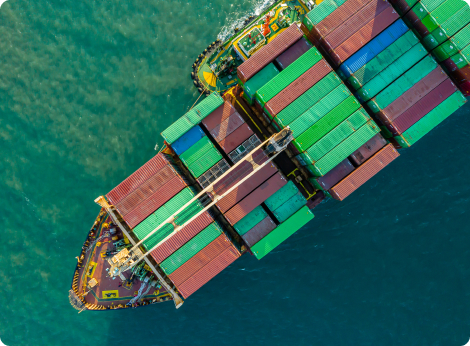
Shipping lines own and operate vessels that move cargo across oceans. Shipping lines own or lease container ships, general cargo vessels, and specialised carriers running fixed schedules between major ports worldwide.
Shipping lines focus on the maritime leg only. They don’t handle warehousing, customs, pickup, or delivery. This port-to-port scope defines their business model.
Asset Ownership and Ocean-Only Operations
Shipping lines are capital-intensive, owning or leasing multi-million-dollar vessels. They only profitably run scheduled services on high-volume routes. They manage the ocean leg expertly but stay out of inland logistics, customs, and last-mile delivery.
For NZ businesses, dealing directly with a shipping line works only if you can manage everything else. Most SMEs cannot do this efficiently.
What Is a Freight Forwarder?
A freight forwarder manages your entire import or export journey. Unlike shipping lines, freight forwarders don’t own vessels. Instead, they negotiate space with shipping lines on behalf of clients, combining expertise with inland transport, customs clearance, warehousing, and delivery.
Freight forwarders are the problem-solvers in international trade. They handle complexity so you don’t have to.
The NVOCC Advantage for New Zealand Traders
Many NZ freight forwarders, including Magellan Logistics, hold NVOCC (Non-Vessel Operating Common Carrier) status. This allows consolidation of shipments from multiple clients into one container, reducing costs for businesses shipping partial loads.
This NVOCC capability is a competitive advantage for NZ SMEs. Instead of paying for unused space, you share container capacity and pay only for what you use.
Key Differences: Scope, Liability, and Service Coverage
The freight forwarder vs shipping line comparison comes down to scope. A shipping line handles only the ocean journey under a bill of lading. A freight forwarder coordinates the entire process: pickup, customs documentation, ocean booking, and final delivery, which is the core difference between freight forwarder and shipping line services.
Liability and Flexibility
Liability differs too. Shipping lines assume liability for cargo loss or damage during the ocean leg. Freight forwarders coordinate these risks but may not assume full liability for every leg.
Flexibility is another key difference. Shipping lines run fixed schedules. Freight forwarders adapt to urgent changes, find alternative routes, and problem-solve delays.
Service breadth differs too. Freight forwarders offer customs documentation, compliance support, warehousing, and consolidation. Most businesses prefer working with a single freight forwarder rather than juggling multiple providers.
How to Choose: Freight Forwarder vs Shipping Line Direct
For most NZ businesses, the freight forwarder vs shipping line decision is straightforward: use a freight forwarder. The only exceptions are companies shipping full containers on fixed routes with their own logistics teams.
Freight forwarders make sense for small or medium-sized enterprises, irregular volumes, or importers sourcing from multiple countries. A quality freight forwarder handles complexity, from customs compliance to port coordination, so you can focus on your business.
Hybrid Approaches for Larger Businesses
Large businesses often use a hybrid approach. They negotiate directly with shipping lines for volume rates while using a freight forwarder for mixed-load flexibility and compliance. This balances cost and service.
Real-time visibility matters in supply chain decisions. Our digital portal, MagTrack, provides tracking across your entire shipment journey, not just the ocean leg. This helps you manage expectations and respond to delays early.
Why Magellan Stands Out for New Zealand Logistics
Magellan Logistics has served NZ businesses since 2015, building expertise in freight forwarder logistics NZ companies rely on. We specialise in full-container (FCL) and less-than-container (LCL) freight, consolidations, airfreight, and customs clearance enabling cost-effective solutions for NZ SMEs of all sizes.
Our real-time tracking system, MagTrack, gives you visibility across every stage of your journey. Unlike basic shipping line tracking that shows only the ocean leg, MagTrack covers pickup, inland transport, customs, and delivery.
Compliance and Regulatory Expertise
Regulatory expertise is a key differentiator. NZ Customs requirements, MPI biosecurity clearances, and import duty classification require specialist knowledge. Our customs clearance team manages these so you avoid costly delays or compliance mistakes.
FAQ: Common Questions About Freight Forwarders and Shipping Lines
Here are the most common questions NZ businesses ask when evaluating their freight forwarder vs shipping line options.
What Is the Difference Between a Freight Forwarder and a Carrier?
A carrier is any company that moves goods, they include shipping lines, airlines and trucking companies. The freight forwarder vs carrier distinction matters because freight forwarders coordinate across all transport modes, not just ocean freight. This freight forwarder vs carrier difference means forwarders manage your entire logistics process, not just the ocean leg.
Can I Deal with a Shipping Line Directly?
Only if you have volume. Shipping lines require full container bookings or regular scheduled shipments. If you ship smaller volumes or irregular quantities, a freight forwarder bridges this gap by consolidating your cargo with other clients.
What Is the Benefit of Using a Freight Forwarder for a Shipping Line Comparison?
A direct shipping line comparison shows that shipping lines offer port-to-port transport only. Freight forwarders offer end-to-end coordination, including customs clearance, compliance support, and last-mile delivery. For most NZ businesses, this breadth of service is worth the additional cost.
Will Consolidation Add Time to My Shipment?
Consolidation typically takes 1-2 weeks longer because the freight forwarder waits for multiple shipments. This is a trade-off in the freight forwarder vs shipping line decision. Cost savings often justify the delay, and urgent shipments can bypass consolidation if needed.
Partner with Magellan Logistics
Choosing the right logistics partner matters greatly for NZ businesses in international trade.
Ready to Simplify Your Supply Chain?
The choice between freight forwarder vs shipping line is clear once you understand what each does. For most NZ businesses, a dedicated freight forwarder like Magellan Logistics is the smarter choice. We manage your entire supply chain, from customs to delivery, so you can focus on growing your business.
Our Auckland team, backed by experienced freight professionals, provides the hands-on guidance every business needs. Let’s start a conversation.