
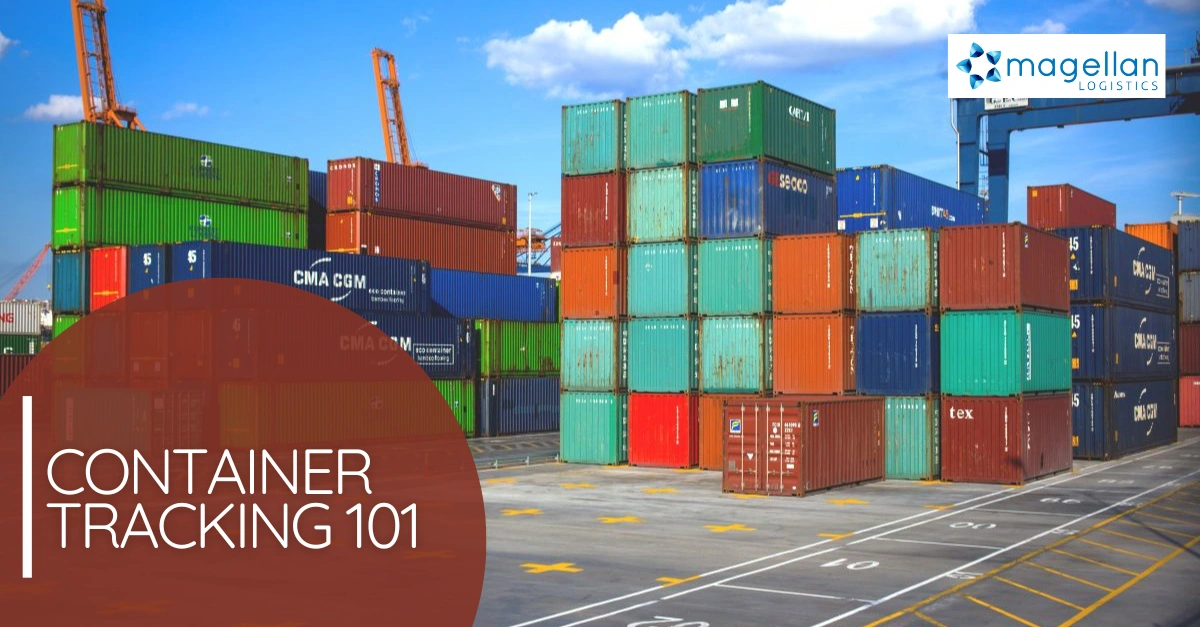
For New Zealand importers and exporters, shipping container tracking is essential for planning, compliance, and keeping supply chains on track. With customs licensing in New Zealand and a dedicated Auckland team, Magellan Logistics has helped NZ businesses navigate shipment visibility with confidence for over 10 years. This guide explains what to expect at each stage and what happens when your cargo arrives in New Zealand.
For NZ importers managing regular commercial shipments, understanding how to track containers effectively helps you avoid costly delays, protect free time windows, and make smarter logistics decisions.
How Real-Time Container Tracking Works
At its core, container tracking is the process of monitoring a shipment’s location and status from origin to final delivery. The underlying data comes from vessel transponder systems, port integration, and carrier feeds, providing event-based updates throughout a journey.
The backbone of at-sea tracking is AIS (Automatic Identification System), a technology that broadcasts a vessel’s position, speed, and destination via VHF radio signals to shore stations and satellites. This data is then integrated into carrier systems, which in turn power platforms like the MagTrack portal. Real-time container tracking in this context means event-driven updates rather than second-by-second GPS; status changes are recorded as they occur at key points in the journey.
What Data You Will See in Real-Time Tracking
A typical tracking record will show the following shipment events:
- Container picked up from shipper
- Loaded onto vessel at port of origin
- Departed origin port
- Transshipment at intermediate port (where applicable)
- Arrived at destination port
- Customs clearance status
- Available for inland transport or delivery
Each event includes a timestamp and, where available, an updated estimated time of arrival (ETA). Understanding which events have occurred tells you not only where your cargo is, but how much lead time you have to prepare for arrival.
What Are the Different Ways to Track Your Container Shipment?
There are several input formats available for shipping container tracking, and the right choice depends on where you are in the shipping process.
Container Number, Bill of Lading, or Booking Reference?
A container number (in the standard ISO format: four letters followed by seven digits) is the most direct way to track a specific box across carriers. A bill of lading number is typically used for customs purposes and links to the full shipment record, making it useful when you need to track containers by bill of lading at the clearance stage. A booking reference, issued by the carrier at the time of booking, is an alternative if the container number has not yet been assigned.
Most major carriers support all three input methods. If you are unsure which format to use, or if your shipment spans multiple carriers, Magellan Logistics can advise on tracking shipping containers and guide you through the steps needed to track container status at every stage.
Container Tracking to New Zealand: What Happens at NZ Ports
Container tracking to New Zealand involves a distinct set of steps once a vessel approaches New Zealand waters. Understanding this transition from at-sea tracking to port-side tracking helps NZ importers plan clearance timelines accurately.
Pre-Arrival Documentation and Customs Clearance
Before a vessel arrives, importers or their agents must submit pre-arrival documentation to NZ Customs. The import entry initiates the customs clearance process and determines whether cargo is cleared, held for inspection, or referred to the Ministry for Primary Industries (MPI) for biosecurity assessment. Containers referred to MPI cannot proceed until clearance is granted, adding time to your delivery schedule.
New Zealand’s main container ports (Auckland, Tauranga, and Lyttelton) each have their own port management systems. Once a vessel berths, tracking shifts from AIS vessel data to port-side container records, and your freight forwarder coordinates wharf cartage and inland transport.
FAQ: Your Container Tracking Questions Answered
The following questions come up regularly from NZ importers and exporters managing their first or ongoing container shipments.
Can I track my container by its bill of lading number?
Yes. Most major carriers support bill-of-lading tracking as a standard input method. The B/L number is particularly useful when you need to link tracking data to your import documentation, as it references the entire shipment rather than a single container.
How often is tracking data updated?
Tracking data is event-based rather than continuous. Updates are recorded when a key milestone occurs, such as vessel departure, port arrival, or customs clearance, rather than at regular time intervals. Frequency varies by carrier and route.
What if my container number is not found in the system?
First, verify the container number format (four letters, seven digits). If the format is correct, allow additional processing time as newly assigned containers may not appear in carrier systems immediately. If the issue persists, contact your freight forwarder for confirmation.
How does inland NZ tracking work after port arrival?
Once a container clears customs and is released from the port, tracking transitions from the carrier’s system to the transport provider responsible for wharf cartage and inland delivery. Your freight forwarder coordinates this handover, ensuring there is no visibility gap between port release and final delivery.
Partner with Magellan Logistics
Working with an experienced freight forwarder means your container tracking is managed end-to-end, from origin to final delivery.
Your Dedicated Auckland Freight Partner
Magellan Logistics has brought customs licensing to New Zealand since 2015, a dedicated Auckland team, and real-time visibility through the MagTrack digital portal.
Let the experts at Magellan Logistics manage your shipment coordination so you can focus on what truly matters. Backed by 50+ employees across five offices, we provide the hands-on support your business needs.