
For New Zealand businesses that import or export time-sensitive goods, a clear understanding of air cargo handling is essential. As an island nation, New Zealand relies heavily on international air freight for everything from perishables and pharmaceuticals to high-value electronics.
At Magellan Logistics, with over 10 years of freight forwarding experience across New Zealand and a dedicated Auckland team, we see firsthand how well-managed cargo handling makes the difference between a smooth shipment and a costly delay.
This guide walks through each stage of the air cargo journey, from initial booking through to final delivery, and explains what New Zealand shippers need to know at every step.
What is Air Cargo Handling and Why Does It Matter?
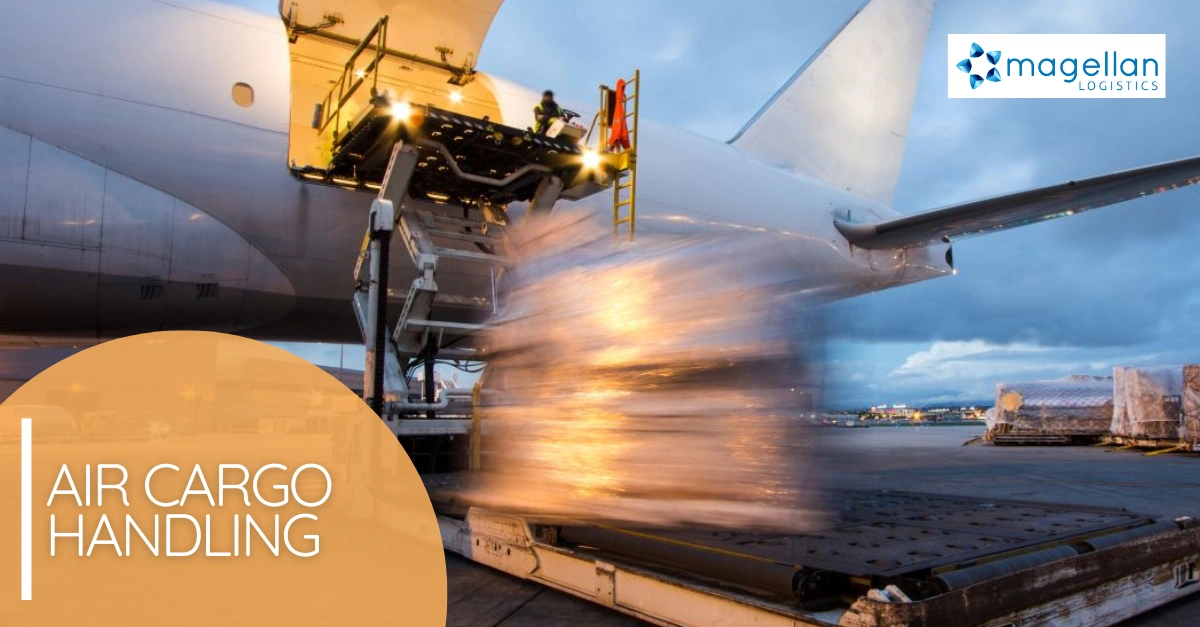
Air cargo handling refers to the ground-based processes that surround every air freight shipment. It covers everything from the moment goods are booked and received at the origin warehouse through to customs clearance, loading, unloading, and final delivery at the consignee’s address.
Ground Operations vs. Air Transport
Ground operations are distinct from air freight transport itself, which is the airline’s responsibility during flight. Ground-level operations include warehouse management, documentation verification, security screening, and physical movement of goods. For New Zealand importers and exporters, understanding the air freight handling process puts them in a better position to manage timelines, prepare documentation, and select the right logistics partner.
The Air Cargo Handling Process: 6 Key Steps
The air freight handling process follows a structured sequence of operations from origin to destination. Here is how each stage typically unfolds.
From Origin to Destination: Step by Step
- Step 1: Booking and planning. The shipper communicates their requirements to a freight forwarder, who secures carrier capacity, confirms rates, and begins collating the necessary documentation. Early planning gives businesses greater visibility and reduces the risk of capacity shortfalls.
- Step 2: Receipt and handling at origin. Goods are delivered to the air freight terminal, where they are inspected, weighed, measured, and labelled in accordance with IATA standards, then held until the scheduled flight departure.
- Step 3: Customs clearance and security screening. All export documentation is verified, goods pass through security screening, and hazardous materials are assessed and processed in accordance with applicable safety protocols. This step requires precise documentation to avoid delays.
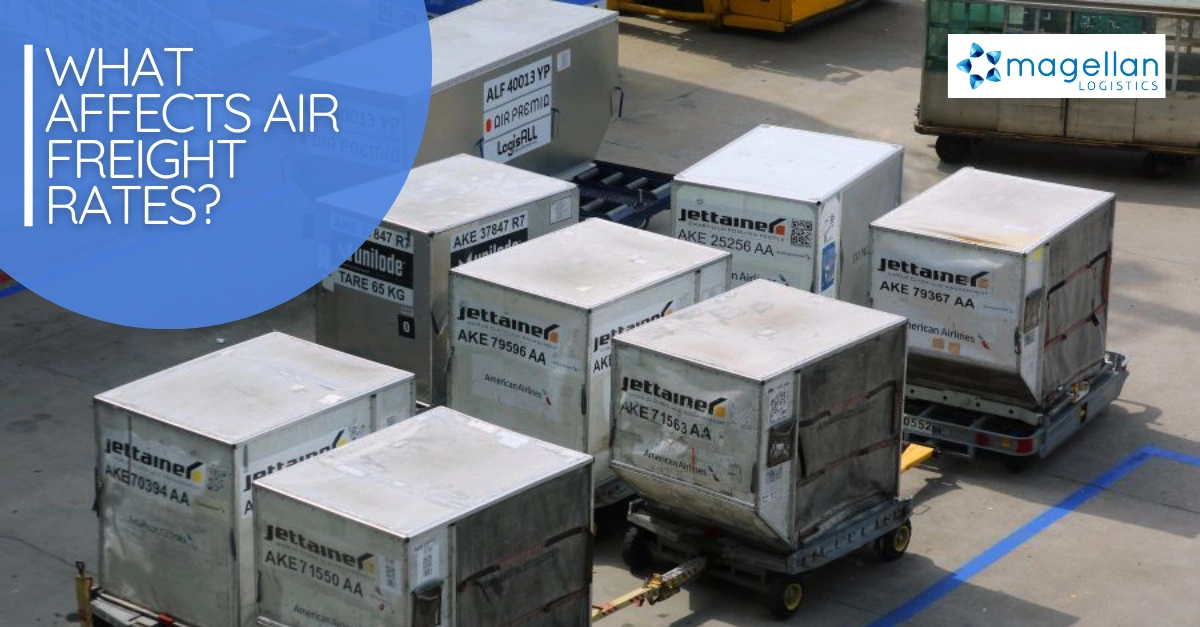
- Step 4: Cargo is prepared and loaded onto the aircraft. Shipments are consolidated into Unit Load Devices (ULDs), which are specially designed containers or pallets fitted to aircraft holds. Ground equipment and conveyor systems position ULDs according to aircraft weight-and-balance requirements. These airport cargo procedures are tightly regulated to ensure safe and efficient loading.
- Step 5: The goods travel by air. During flight, the cargo is carried under the airline’s air waybill. The allocation of risk between the shipper and the consignee depends on the agreed-upon Incoterms for the shipment.
- Step 6: Goods are unloaded at the destination airport, cleared through import customs, and transferred to subcontracted carriers for delivery to the consignee’s address. The full air freight shipping process, when managed correctly, delivers goods within one to five days of departure.
NZ-Specific Compliance and Regulatory Requirements
New Zealand’s biosecurity and customs rules require careful compliance planning.
Customs, Biosecurity, and Dangerous Goods
New Zealand’s biosecurity and customs requirements add a layer of complexity that all shippers need to account for. The New Zealand Customs Service requires accurate import and export declarations, and documentation errors can result in holds or penalties. For goods containing food, plant, or animal products, the Ministry for Primary Industries (MPI) conducts biosecurity screening that can affect release times.
Airport cargo handling for perishable or temperature-controlled goods requires additional coordination to maintain cold chain integrity. Hazardous goods must be declared and managed in accordance with IATA Dangerous Goods Regulations.
With over 10 years of experience, Magellan Logistics provides customs brokerage support to ensure all cargo-handling procedures meet local and international standards.
How Does Air Cargo Handling Benefit Your Supply Chain?
Well-managed operations deliver measurable advantages across speed, reliability, and cash flow. Effective supply chain management depends on excellence in air cargo handling.
Speed, Visibility, and Cost Efficiency
For NZ businesses, the advantages of well-managed cargo are felt across the entire supply chain. Speed is the primary benefit: air freight operations move goods in days rather than weeks, which is critical for perishables, e-commerce fulfilment, documents and samples and time-sensitive manufacturing inputs.
Reliability is equally important. Commercial flight schedules are predictable, which allows businesses to plan inventory with greater confidence. Real-time visibility is another advantage; MagTrack allows clients to monitor their shipments throughout the air freight handling journey from the origin warehouse to final delivery.
For high-value goods, reduced transit time translates into lower warehousing costs and improved cash flow, with less capital tied up in goods in transit. Our air freight services are designed to maximise these benefits for your business.
Frequently Asked Questions About Air Cargo Handling
Here are the questions NZ shippers ask most often.
What documentation do I need for an air cargo shipment?
The standard set includes a commercial invoice, a packing list, an Air Waybill (AWB), and a customs declaration. Additional permits are required for perishable goods, controlled substances, or hazardous materials. Your freight forwarder can advise on the specific requirements for your shipment.
How long does airport cargo handling and delivery take?
Transit time from origin to final delivery typically ranges from one to five days, depending on the route, destination customs clearance, and carrier schedule. Real-time tracking gives shippers greater visibility throughout the process.
What is the difference between air cargo handling and air freight?
Air cargo handling covers all of the ground-based operations: booking, receipt, documentation, screening, loading, unloading, and final delivery. Air freight refers to the transportation service provided by the airline during the flight itself. Both elements are essential to a successful shipment.
Can perishable or hazardous goods be sent via air freight?
Yes, though both require specialised cargo handling procedures. Perishables need temperature-controlled storage and handling at each stage. Hazardous materials must be declared, classified, and packaged in accordance with IATA Dangerous Goods Regulations.
Partner with Magellan Logistics
Knowing the process is valuable. Executing it without error requires genuine expertise.
End-to-End Air Freight Support for NZ Businesses
Magellan Logistics brings together a dedicated Auckland team, with over 10 years of customs licensing experience, and 50+ employees across five offices. Our network spans 270+ global locations through our partner network, giving New Zealand shippers access to reliable handling at every point in the journey.
Let’s discuss how we can support your next shipment. Get in touch with our team to learn more about our end-to-end air freight solutions.